The knee is one of the most complex joints in the body, carrying much of our body weight and absorbing impact every time we walk, run, or move. When the knee is injured or affected, it can make everyday activities difficult and may even cause extra strain on the other leg.
Knee braces are available in custom-made or off-the-shelf options. The best choice depends on your injury, diagnosis, activity level, and how long you’ll need the brace. Since different braces offer different features, at Biodesign, we will discuss all options to provide the right fit for your goals.
How We Can Help & What to Expect
When you book an appointment with Biodesign, your visit will begin with a comprehensive assessment during your consultation. Our goal is to gain a thorough understanding of your injury or condition so we can recommend the most appropriate knee brace for you.
We’ll take time to discuss your lifestyle, daily activities, and personal goals to ensure the brace we select fits your needs and supports how you move. If you have any X-rays, imaging, or relevant test results related to your knee condition, we encourage you to bring them with you to your appointment.
Depending on the type and design of the knee brace, we may need to take detailed measurements and/or complete a digital 3D scan. Once all necessary information is collected, we’ll schedule your fitting appointment and guide you through the next steps—helping you get back to moving with confidence and comfort.

About Knee Braces
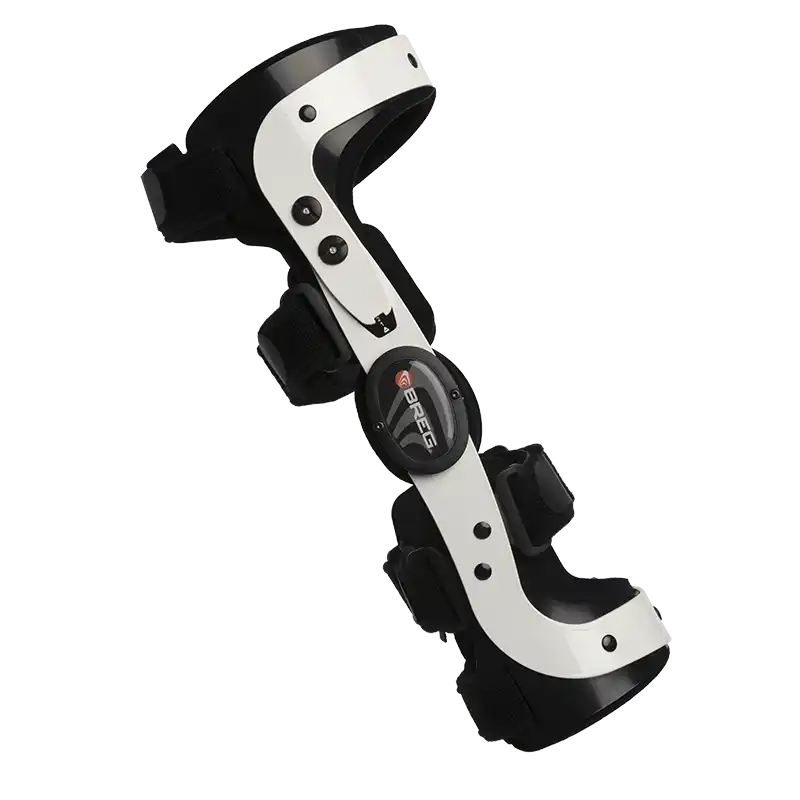
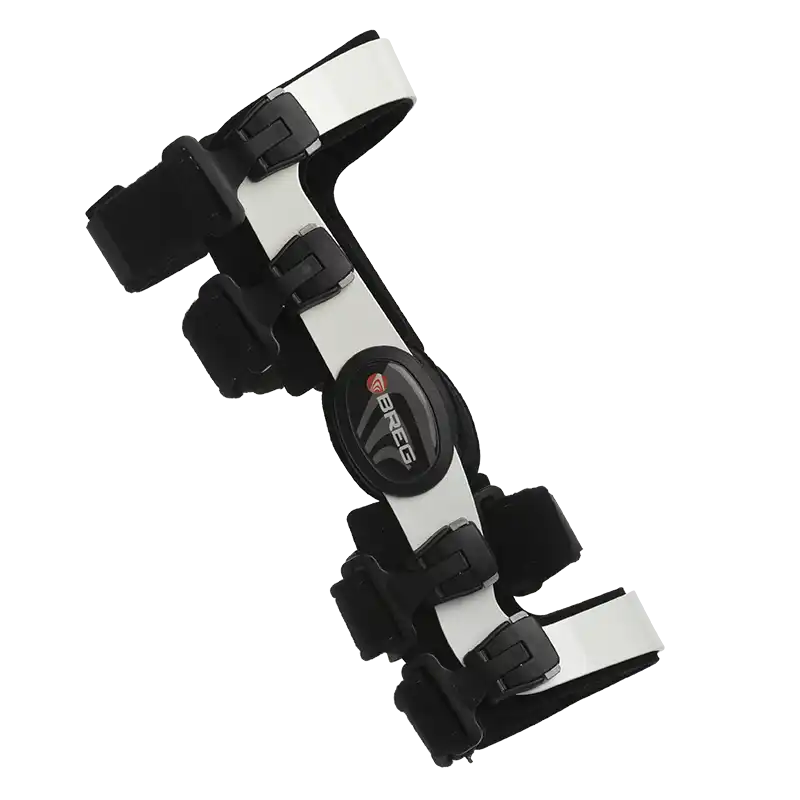
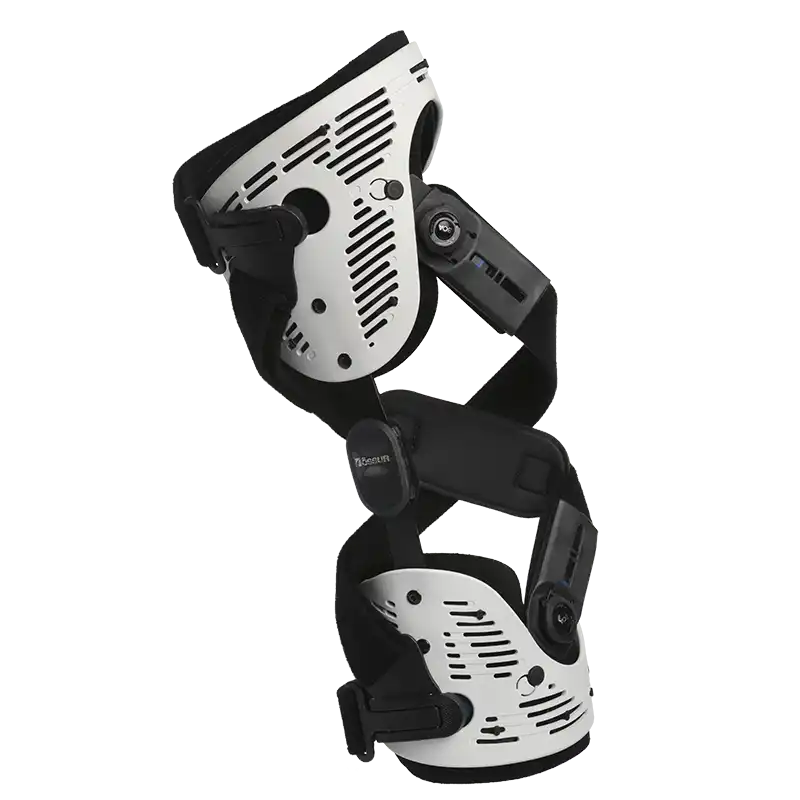
Knee braces, also known as knee orthosis, are worn around the knee for extra support, stability, or protection. They help with knee pain, weakness, or injuries like ligament tears or arthritis. Some knee orthoses help limit movement to protect the joint while it heals, while others help guide and support movement during walking or activity. They come in different styles depending on what is required and can be custom-made or ready-to-wear.

Overview of The Knee
The knee is one of the largest and most complex joints in the human body. It is made up of bones, ligaments, cartilage, muscles, and nerves that work together to allow movement between the femur (thigh bone) and the tibia (shin bone), with additional support from the patella (kneecap).
The knee plays a vital role in supporting body weight during standing and maintaining balance. It also enables everyday movements such as walking, climbing stairs, running, and jumping. Anatomically, the knee is classified as a synovial joint, meaning it is enclosed in a joint capsule and contains synovial fluid, which lubricates the joint and allows smooth, low-friction movement. More specifically, the knee is considered a modified hinge joint, primarily allowing bending and straightening, with a small amount of rotational movement when the knee is flexed. It functions much like a hinge, opening and closing to permit motion.
Cartilage in the Knee
There are two types of cartilage within the knee joint: hyaline cartilage and fibrocartilage.
- Hyaline cartilage is smooth and slippery, covering the ends of the bones within the joint. It helps reduce friction and allows the bones to glide easily against one another during movement.
- Fibrocartilage is strong and durable, designed to absorb shock and provide stability.
The fibrocartilage structures within the knee are called the menisci (medial and lateral meniscus). These are located between the femur and tibia and act as cushions that distribute weight, absorb impact, improve joint stability, and support smooth knee motion.
Ligaments of the Knee
The knee contains two main groups of ligaments that provide stability: the collateral ligaments and the cruciate ligaments.
- The collateral ligaments include the medial collateral ligament (MCL) and the lateral collateral ligament (LCL). These ligaments help stabilize the knee by preventing excessive side-to-side movement.
- The cruciate ligaments include the anterior cruciate ligament (ACL) and the posterior cruciate ligament (PCL). These ligaments cross inside the knee joint and control forward and backward movement of the tibia relative to the femur, helping to maintain proper alignment during motion.
Knee Injury
The knee is particularly vulnerable to injury due to the high forces it absorbs during daily activities and sports. Common knee injuries include ligament sprains or tears (such as ACL, MCL, or PCL injuries), meniscal tears, cartilage degeneration, and patellofemoral conditions affecting the kneecap. Overuse, trauma, sudden twisting motions, improper biomechanics, and age-related wear such as osteoarthritis can all compromise knee stability and function. Knee braces are commonly prescribed to provide additional support, limit harmful movement, reduce pain, and improve confidence during activity. Depending on the condition, a knee brace may help protect healing structures after injury or surgery, offload stress from damaged areas of the joint, or enhance stability for individuals experiencing weakness, instability, or chronic knee conditions.