

Functional Electrical Stimulation
We are proud to offer Functional Electrical Stimulation (FES) using leading-edge technology designed to enhance mobility and improve functional outcomes. This advanced technology is commonly used for individuals with neurological or musculoskeletal conditions and is customized to each patient’s unique needs and goals.
Functional Electrical Stimulation (FES) is a wearable device that is positioned on the skin near the fibular head on the outer (lateral) side of the knee. It uses surface electrodes to deliver a carefully controlled, single-channel electrical signal to a targeted nerve, stimulating the muscles responsible for lifting the foot during walking.
The peroneal (fibular) nerve, which runs just below the fibular head, controls the muscles that lift the foot and toes. By electrically stimulating this nerve, FES activates the muscles it innervates, producing a contraction that assists with foot lift during the swing phase of gait. This improves foot clearance, promotes a more natural walking pattern, and helps reduce the risk of trips and falls.
FES can be applied in two primary ways, depending on individual needs and goals:
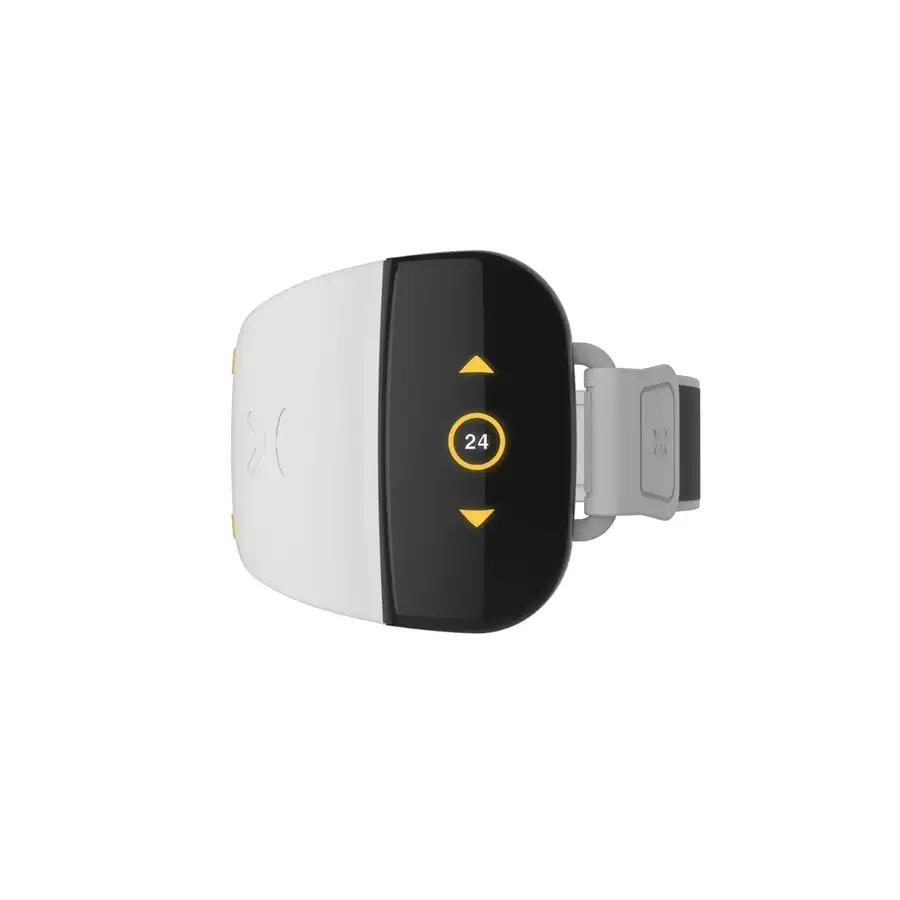
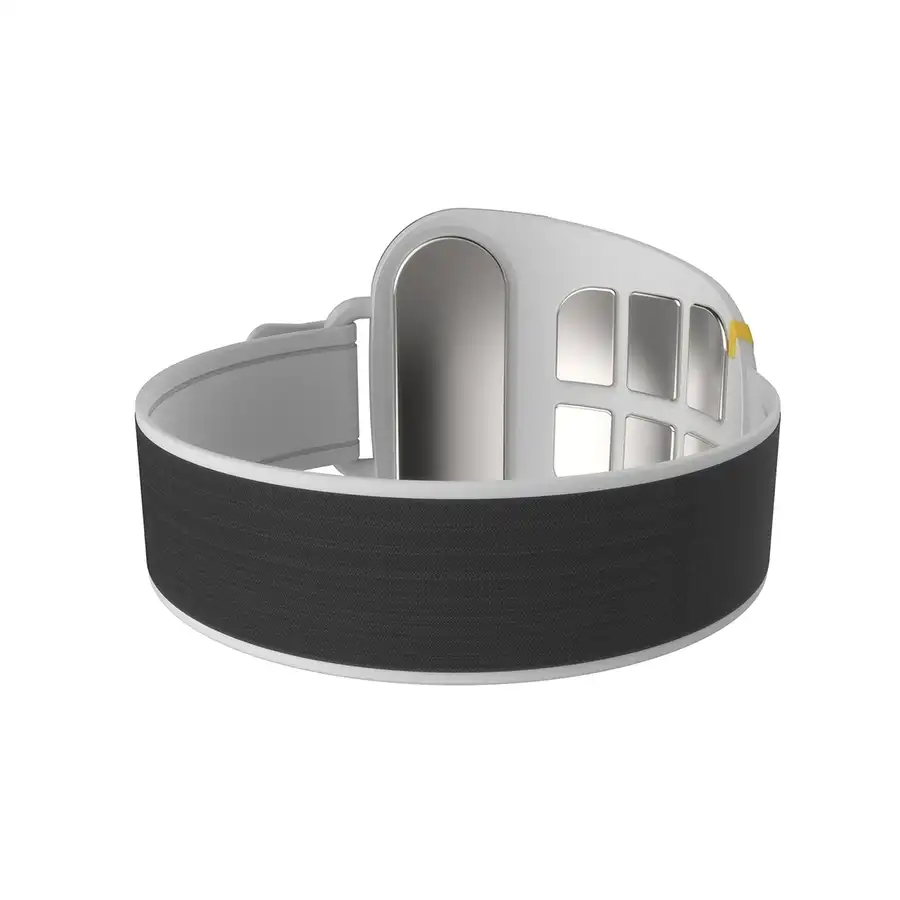
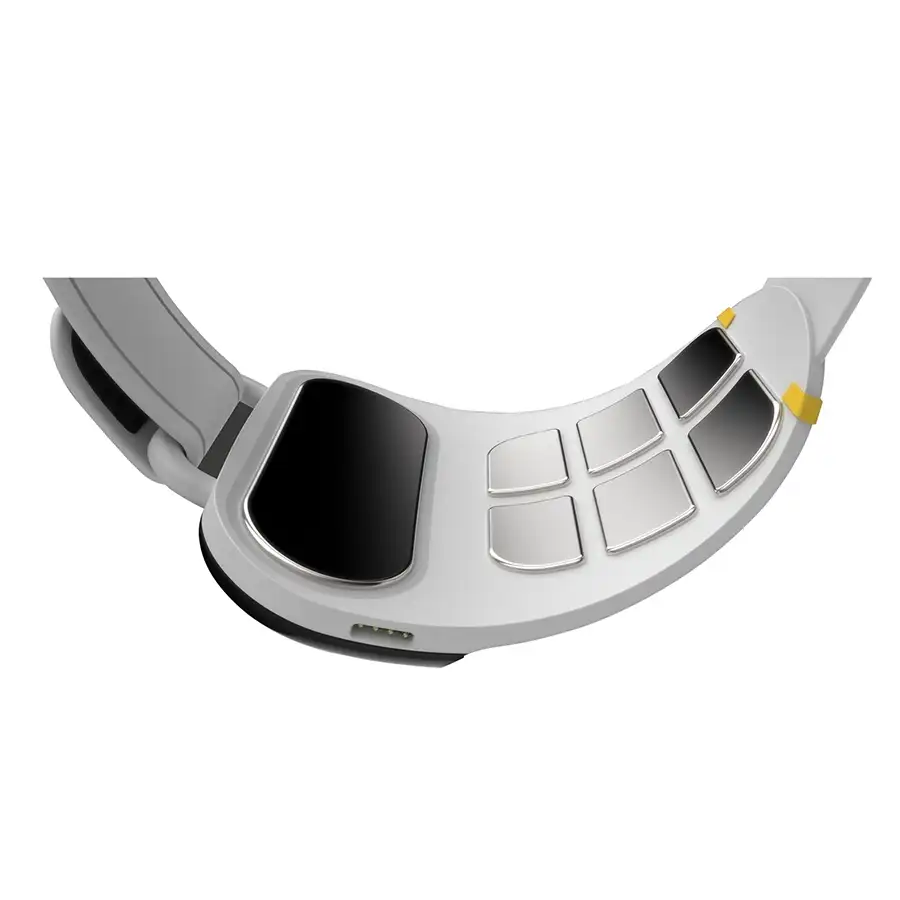
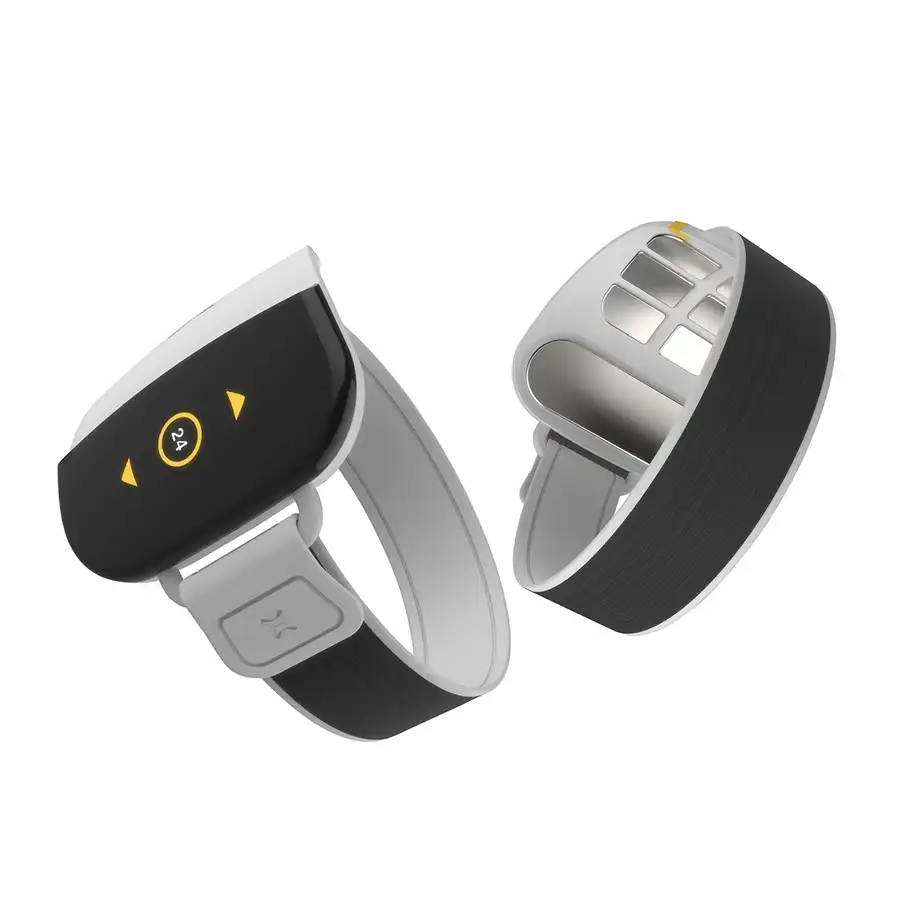
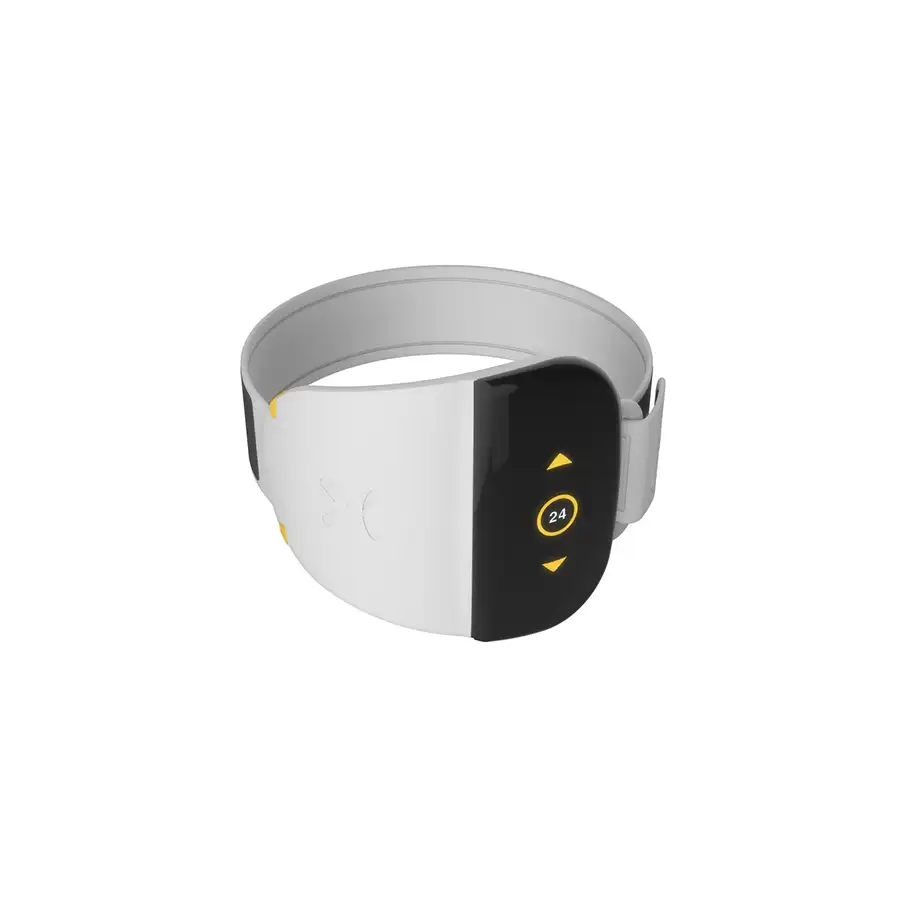
Comfort and Sensation
FES is not suitable for everyone. The electrical stimulation may feel unusual or uncomfortable for some individuals, though it should not be painful. Sensation varies depending on nerve sensitivity and individual tolerance. At lower intensities, the stimulation often feels like a mild tingling. As intensity increases, sensations may feel like pins and needles or a brief burning or buzzing sensation. Stimulation levels are carefully adjusted to ensure comfort while achieving effective muscle activation.
Conditions Commonly Treated with FES
- Spinal cord injury (in incomplete lesions)
- Multiple sclerosis, particularly for foot drop
- Cerebral palsy
- Stroke
- Traumatic brain injury
- Weakness following brain or spinal surgery
When FES May Not Be Appropriate
FES relies on an intact nerve pathway between the spinal cord and the muscle. If there is complete damage to the peripheral nerve or nerve fibers, electrical stimulation will not produce a muscle contraction, as the communication pathway has been disrupted.
