
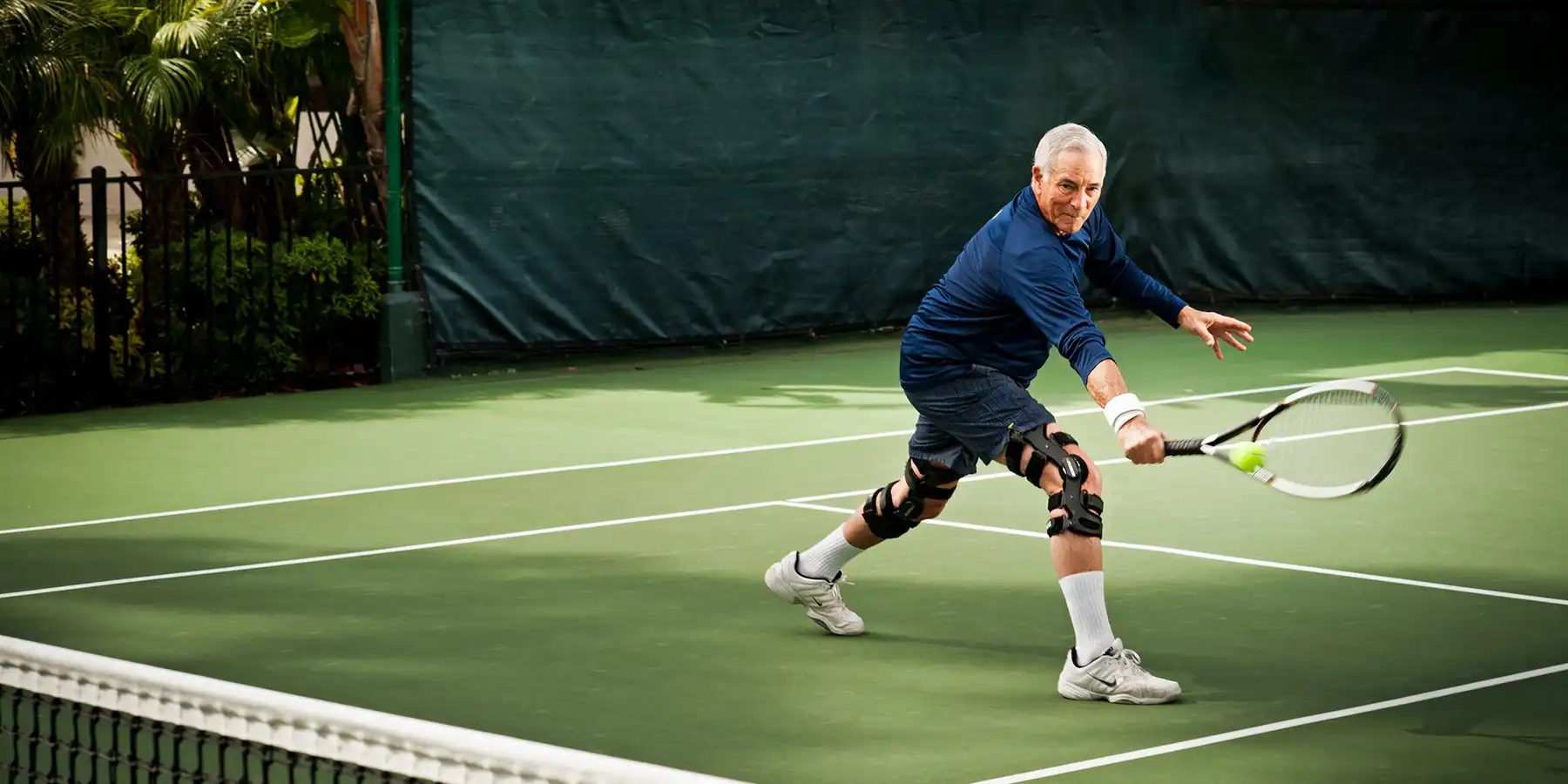
Knee Osteoarthritis Braces
Knee osteoarthritis (OA) is the most common form of osteoarthritis affecting the body. Also known as degenerative joint disease, osteoarthritis is the most frequently diagnosed joint condition in the aging population and most commonly affects individuals over the age of 65, though it can occur earlier.
Osteoarthritis was once thought to be caused solely by “wear and tear” and the gradual loss of cartilage within the joint. Current research has shown that OA is more complex and develops due to multiple factors, including age, genetics, joint alignment, previous injury, body weight, and repetitive joint loading. Age remains one of the strongest risk factors for the development of knee osteoarthritis.
Knee osteoarthritis is commonly classified as primary or secondary.
- Primary OA develops gradually without a clearly identifiable cause and is considered idiopathic.
- Secondary OA occurs as a result of an underlying condition or abnormal stress on the joint, such as previous trauma or injury, joint malalignment, inflammatory arthritis (including rheumatoid arthritis), or other medical conditions affecting joint health.

Knee Cartilage and Joint Changes
Within the knee joint are two crescent-shaped pieces of cartilage called the menisci, which are positioned between the femur (thigh bone) and tibia (shin bone). The menisci act as shock absorbers, helping distribute load, improve joint stability, and protect the articular cartilage during movement. They are tough yet flexible structures designed to withstand significant forces.
The knee joint is also surrounded by a synovial membrane, which produces synovial fluid to lubricate the joint and support smooth, pain-free movement.
As the body ages—or following injury or prolonged stress—the cartilage and menisci within the knee can gradually degenerate. This breakdown reduces the joint’s ability to absorb shock and distribute forces effectively. Over time, this can lead to increased friction within the joint, inflammation, pain, stiffness, and in advanced cases, bone-on-bone contact.
Role of Knee Bracing in Osteoarthritis Management
Knee braces are commonly used as part of both non-operative and post-operative management of knee osteoarthritis. Their primary goals are to reduce pain, improve function, and support joint stability.
Unloader knee braces are designed to reduce pressure on the affected compartment of the knee—most often the medial (inner) or lateral (outer) side—by redistributing forces away from the area of osteoarthritis.
Stabilization knee braces provide overall support to the knee joint during activity and weight-bearing. By improving alignment and controlling excessive movement, these braces help reduce joint stress and the forces that contribute to osteoarthritis symptoms, allowing individuals to remain more active and functional.

How They Work
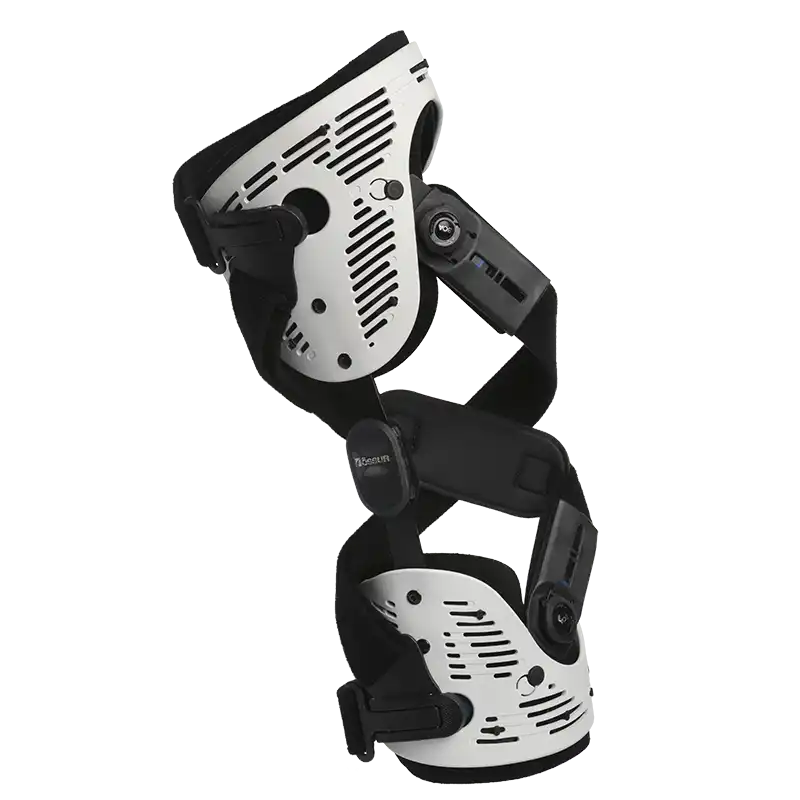
Medial/lateral OA braces are often unloader braces. They apply pressure to the opposite side of the knee joint to shift the load away from the damaged area, helping to reduce pain and slow the progression of the disease. For example, if someone has medial (inner) knee arthritis, the brace will push outward (lateral) to unload pressure from the medial side.
Mechanics
They use a combination of hinges and straps to stabilise the knee while redistributing weight across the joint. This helps relieve stress from the affected side.
