
Foot orthotics are specialized shoe inserts designed to support your feet, improve alignment, and help reduce pain. They are commonly used to treat conditions such as flat feet, plantar fasciitis, and general discomfort in the feet, knees, or lower back. They can also enhance performance in sports and active lifestyles.
At Biodesign, we specialize in custom foot orthoses for diabetic, sport, pediatric, and arthritic needs. Our team of Certified Pedorthists and Orthotists conducts a thorough assessment – including a complete history, biomechanical evaluation, and gait analysis – to gather the information needed to design a device tailored specifically to your condition. Each pair is custom-made in-house by our skilled technical team to ensure the highest quality and precision.
How Biodesign Can Support Your Foot Care
To begin, visit your family doctor for a prescription. Not only will this help to determine the best course of treatment, but it will also help secure funding through private insurance companies. If orthotic or pedorthic care is appropriate, your doctor will provide a referral or prescription.
With a prescription in hand, our team—consisting of a Certified Pedorthist (C. Ped (C)) and/or a Certified Orthotist (C.O.)—will conduct a thorough assessment. This includes a detailed health history, biomechanical evaluation, and gait analysis. Based on your physician’s diagnosis and our clinical findings, we’ll develop a personalized treatment plan tailored to your needs.

Common Problems We Address at Biodesign
Click to visit
Plantar Fasciitis
Symptoms: heel pain and overpronation
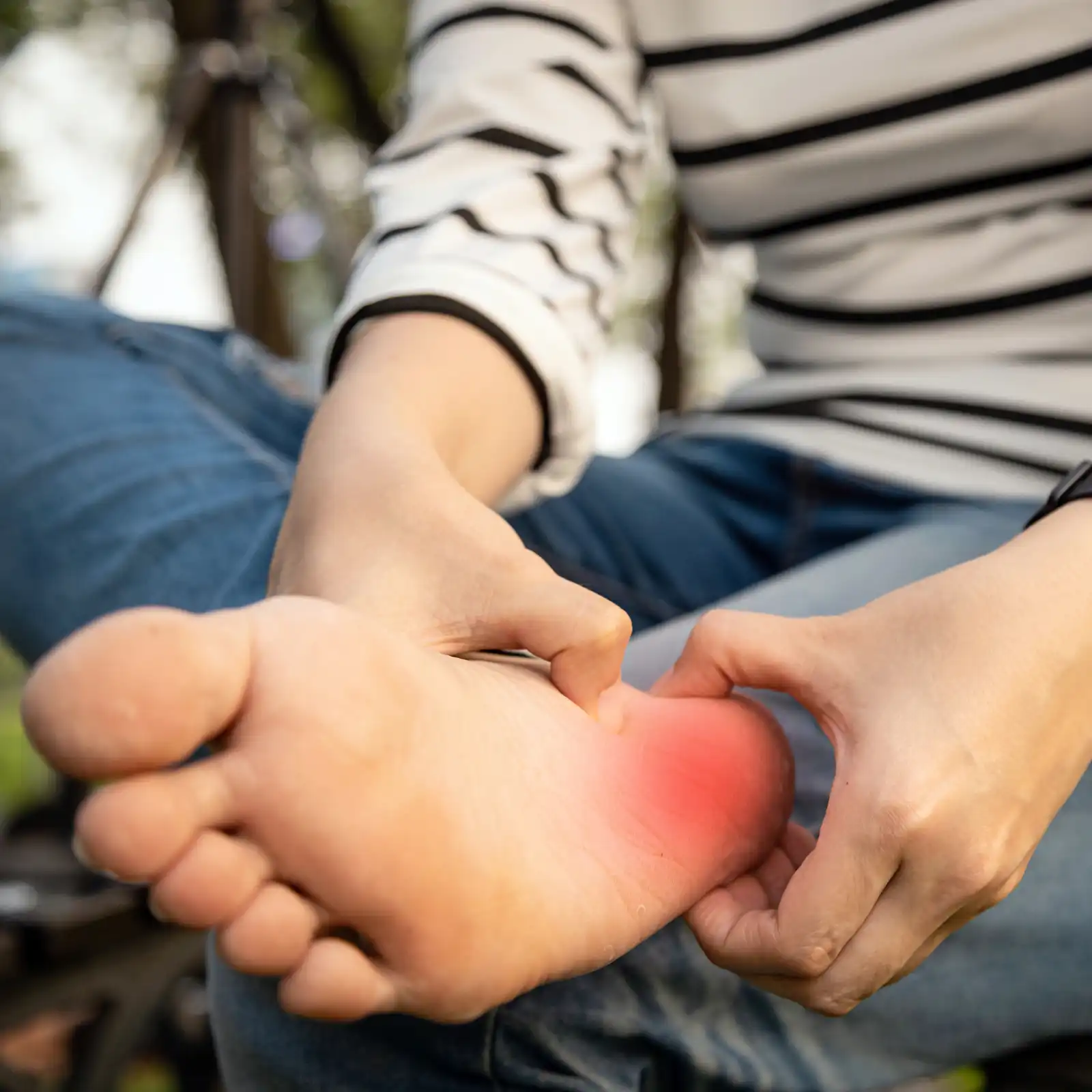 Plantar Fasciitis is a common foot condition that involves inflammation of the plantar fascia, a thick band of tissue that runs along the bottom of the foot, connecting the heel to the toes. The plantar fascia supports the arch of the foot and absorbs shock during walking and running. When this tissue becomes irritated or overstretched, it can cause pain, particularly in the heel area, which is typically most noticeable in the morning or after prolonged periods of standing or walking. It is especially common in people who are spending long hours standing and walking on concrete floors with steel toed boots.
Foot orthotics for plantar fasciitis support the arch of the foot and hold the heel bone in a proper alignment. This changes the mechanics of the foot and reduces the stresses being applied to the plantar fascia allowing it to heal, and reducing the risk that it becomes injured again in the future.
Symptoms: heel pain and overpronation
Plantar Fasciitis is a common foot condition that involves inflammation of the plantar fascia, a thick band of tissue that runs along the bottom of the foot, connecting the heel to the toes. The plantar fascia supports the arch of the foot and absorbs shock during walking and running. When this tissue becomes irritated or overstretched, it can cause pain, particularly in the heel area, which is typically most noticeable in the morning or after prolonged periods of standing or walking. It is especially common in people who are spending long hours standing and walking on concrete floors with steel toed boots.
Foot orthotics for plantar fasciitis support the arch of the foot and hold the heel bone in a proper alignment. This changes the mechanics of the foot and reduces the stresses being applied to the plantar fascia allowing it to heal, and reducing the risk that it becomes injured again in the future.
Arthritis
Arthritis is a general term that refers to inflammation of the joints, leading to pain, stiffness, and swelling. It can affect one or more joints in the body including the knees, wrist, fingers, ankle, and toes. Arthritis is most commonly associated with joint deterioration over time.
At Biodesign we provide custom foot orthotic and bracing to help maintain the proper alignment of arthritic bones and joints limiting inflammation, deterioration, and deformity.
Diabetes
Diabetes is a chronic medical condition that occurs when the body is unable to properly regulate blood sugar (glucose) levels. This happens due to either insufficient insulin production (Type 1 diabetes) or the body’s resistance to insulin (Type 2 diabetes). If left unmanaged, diabetes can lead to a range of complications, including issues with the feet, which is why individuals with diabetes often require specialized care.
How Diabetes Relates to Pedorthics and Foot Health:
For individuals with diabetes, maintaining foot health is crucial due to the heightened risk of complications that can arise from the condition. The two primary concerns for individuals with diabetes regarding foot health are:
- Diabetic Neuropathy: This is a type of nerve damage that can result from high blood sugar levels over time. Neuropathy can cause a loss of sensation in the feet, meaning individuals may not feel injuries, blisters, or ulcers. Without proper care, these wounds can worsen and become infected, leading to serious complications.
- Poor Circulation: Diabetes can impair circulation, particularly in the legs, feet, and toes. Poor blood flow can delay wound healing and make it harder for the body to fight off infections, increasing the risk of serious foot conditions.
Diabetic Foot Orthotics provide cushioning and protection for vulnerable feet and give support to the overall foot structure to reduce the risk of developing a diabetic foot wound or bony deformity. We can also provide recommendations on specialized footwear for those harder-to-fit feet.
Achilles Tendonitis
Symptoms: pain above the heel bone, inflammation and swelling of the achilles tendon and overpronation
 Achilles Tendonitis is an inflammation or irritation of the achilles tendon, the large tendon at the back of the lower leg that connects the calf muscles to the heel bone. This condition typically results from overuse, repetitive stress, or sudden increases in physical activity, particularly activities that involve running, jumping, or excessive walking. Symptoms often include pain, swelling, and stiffness along the tendon, particularly just above the heel, which can worsen with activity or after periods of rest.
Achilles tendonitis is a common condition that we address at Biodesign, as improper foot mechanics can contribute to the development and persistence of this issue. Abnormal gait patterns, such as overpronation (excessive inward rolling of the foot) or insufficient arch support, can place additional strain on the achilles tendon, leading to irritation and injury. Additionally, tight calf muscles or inadequate footwear can exacerbate the problem.
Symptoms: pain above the heel bone, inflammation and swelling of the achilles tendon and overpronation
Achilles Tendonitis is an inflammation or irritation of the achilles tendon, the large tendon at the back of the lower leg that connects the calf muscles to the heel bone. This condition typically results from overuse, repetitive stress, or sudden increases in physical activity, particularly activities that involve running, jumping, or excessive walking. Symptoms often include pain, swelling, and stiffness along the tendon, particularly just above the heel, which can worsen with activity or after periods of rest.
Achilles tendonitis is a common condition that we address at Biodesign, as improper foot mechanics can contribute to the development and persistence of this issue. Abnormal gait patterns, such as overpronation (excessive inward rolling of the foot) or insufficient arch support, can place additional strain on the achilles tendon, leading to irritation and injury. Additionally, tight calf muscles or inadequate footwear can exacerbate the problem.
Bunions & Bunionettes
 Bunions and Bunionettes are both foot deformities that involve the misalignment of the bones in the foot, leading to painful bumps and discomfort. It is a side effect of untreated malalignment of the foot.
- A bunion (also known as hallux valgus) is a bony bump that forms at the base of the big toe, where it connects to the foot. The misalignment of the joint causes the big toe to lean toward the second toe, often creating swelling, redness, and pain. This condition is typically caused by wearing tight, ill-fitting shoes, but it can also be influenced by genetics, arthritis, or foot stress.
- A bunionette (or tailor’s bunion) is a similar deformity that forms at the base of the little toe, creating a bony bump on the outside of the foot. The little toe may lean toward the fourth toe, and like bunions, bunionettes are often exacerbated by tight footwear, but genetics and structural abnormalities also play a role in their development.
Unfortunately, a foot orthotic will not make a bunion or bunionette go away. However, a custom foot orthotic that is well made can prevent the bunion from getting worse, and it can help reduce the pain associated with the bunion. Perhaps more importantly, if done early, a custom foot orthotic can help prevent or delay the formation of a bunion or bunionette by aligning the foot in a proper way.
Bunions and Bunionettes are both foot deformities that involve the misalignment of the bones in the foot, leading to painful bumps and discomfort. It is a side effect of untreated malalignment of the foot.
- A bunion (also known as hallux valgus) is a bony bump that forms at the base of the big toe, where it connects to the foot. The misalignment of the joint causes the big toe to lean toward the second toe, often creating swelling, redness, and pain. This condition is typically caused by wearing tight, ill-fitting shoes, but it can also be influenced by genetics, arthritis, or foot stress.
- A bunionette (or tailor’s bunion) is a similar deformity that forms at the base of the little toe, creating a bony bump on the outside of the foot. The little toe may lean toward the fourth toe, and like bunions, bunionettes are often exacerbated by tight footwear, but genetics and structural abnormalities also play a role in their development.
Unfortunately, a foot orthotic will not make a bunion or bunionette go away. However, a custom foot orthotic that is well made can prevent the bunion from getting worse, and it can help reduce the pain associated with the bunion. Perhaps more importantly, if done early, a custom foot orthotic can help prevent or delay the formation of a bunion or bunionette by aligning the foot in a proper way.
Iliotibial (IT) Band Friction Syndrome
Symptoms: sharp or burning pain on outside of knee
Iliotibial Band Friction Syndrome (IT Band Syndrome) is an injury that causes pain on the outside of the knee. It happens when the iliotibial (IT) band—a thick band of tissue that runs from your hip to your shin—rubs too much against the outside of the knee bone. This causes irritation and inflammation. It’s especially common in runners, cyclists, and people who do a lot of repetitive leg movements.
At Biodesign we can help treat IT Band Syndrome by assessing how you walk or run to spot movement issues (like overpronation or leg length differences), create custom foot orthotics to improve alignment and reduce strain on the IT band and recommend proper footwear that supports your feet and improves biomechanics. Our goal is to correct the cause of the problem and help you get back to moving comfortably.
Shin Splints
Symptoms: shin pain, flat feet, high arches
Shin splints are a common term for pain along the front or inside edge of the lower leg (shin bone). The medical name is medial tibial stress syndrome. They usually happen when there’s too much stress or repetitive impact on the lower legs—especially from activities like running, jumping, or walking on hard surfaces. Shin splints can also be caused by overuse or sudden increase in activity, flat feet or high arches, poor footwear, running on hard/uneven surfaces, muscle imbalances or poor walking/running mechanics.
Because many cases of shin splints are caused by poor foot mechanics or improper footwear, at Biodesign we help address the root cause, not just the symptoms—leading to long-term relief and prevention.
Claw Toes & Hammer Toes
Claw toes are a condition where the toes bend into a claw-like shape. This usually affects the four smaller toes (not the big toe). The toes bend upward at the joint where the toe meets the foot and downward at the middle and end joints. This creates a curled, claw-like appearance.
Hammer toes are when one of the smaller toes bends downward at the middle joint, making the toe look like a hammer. Unlike claw toes, hammer toes usually only affect one joint, not multiple.
These conditions can be caused by factors such as poorly fitting footwear, muscle imbalances, arthritis, or inherited foot structure. A Pedorthist or Orthotist can help manage these conditions by assessing foot mechanics and recommending appropriate footwear with a roomy toe box, designing custom orthotics to offload pressure and improve alignment, and providing toe props or pads to reduce friction and pain. Our goal is to relieve discomfort, improve function, and slow the progression of the deformity through non-surgical, personalized solutions.
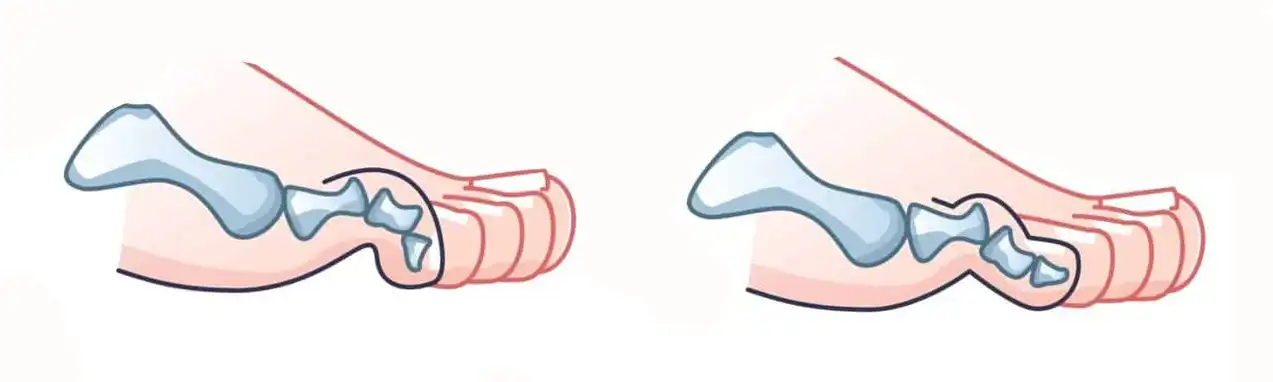
Claw toes & Hammer toes
Claw toe on left, Hammer toe on right
Limb Length Discrepancies
Limb Length Discrepancy (LLD) is a condition where one leg is shorter than the other. The difference in leg length can be structural (a physical difference in bone length) or functional (caused by posture, muscle tightness, or joint problems that make one leg appear shorter).
Causes of LLD can include:
- Birth defects or congenital conditions
- Growth plate injuries during childhood
- Bone infections, fractures, or surgeries
- Conditions like scoliosis, hip replacement, or arthritis
Symptoms of LLD vary depending on the amount of difference. Common signs include:
- Uneven walking or limping
- Hip, knee, or lower back pain
- Increased fatigue in one leg
- Frequent tripping or imbalance
- Worn-out soles on one shoe more than the other
Treatment may include custom orthotics or shoe lifts to balance the legs, improve alignment, and reduce strain on joints and muscles. We also recommend appropriate footwear and modifications to improve comfort and mobility. Our goal is to restore balance, prevent further complications, and help patients move more comfortably and efficiently.
Metatarsalgia
Metatarsalgia is a general term used to describe pain and inflammation in the ball of the foot, specifically around the metatarsal heads—the area just before the toes, where the foot bears much of the body’s weight during walking or running. It’s not a specific condition, but rather a symptom resulting from various underlying causes such as:
- Overuse (high-impact activities, especially running or jumping)
- Improper footwear (tight shoes, high heels, or shoes with inadequate support)
- Foot deformities (e.g., high arches, hammertoes, bunions)
- Excess weight
- Certain medical conditions (e.g., arthritis or diabetes)
For someone with metatarsalgia, we can help by assessing footwear, completing footwear modifications, making custom foot orthotics to help redistribute pressure and address biomechanical issues.
Corns & Calluses
Corns and calluses are thick, hardened layers of skin that develop as a result of repeated pressure or friction, usually on the feet. Corns are small, round, and often form on the tops or sides of toes, while calluses are larger and usually appear on the soles of the feet, especially under the heels or balls of the feet. These areas can become painful or uncomfortable when walking or wearing shoes.
At Biodesign we can help manage corns and calluses by making sure your shoes fit properly and don’t create pressure points that lead to skin buildup. We may suggest better footwear with extra room or cushioning and can add custom insoles or padding to reduce friction and pressure. By supporting your feet in the right way and helping you choose or modify your shoes, we can prevent corns and calluses from getting worse and help keep your feet more comfortable.
Flat Feet
Flat feet occur when the arches on the inside of the feet are low or flattened, causing the whole foot to touch the ground when standing. Some individuals are born with flat feet, while others develop it over time due to injury, aging, weight gain, or conditions like arthritis.
Flat feet can cause foot pain, tired legs, and even problems in the knees, hips, or back because of poor alignment.
At Biodesign custom foot orthotics and/or ankle foot braces can help by supporting the arches, improving foot alignment, and reducing stress on the joints within the foot. They can make walking more comfortable, relieve pain, and prevent other problems from developing over time.
Over Pronation

Over pronation
Over pronation (left), pronation (centre), neutral right foot (on right)
Overpronation occurs when the foot rolls too far inward while walking or running. This can cause the arch to flatten, leading to extra stress on the midfoot, ankle, knees, even the hips and/or back. Overpronation can be caused by genetics (being born with flat feet), weak muscles, injury, or wearing unsupportive footwear over time. It’s common in both children and adults.
At Biodesign, we create custom foot orthotics and ankle braces designed to support your arches and properly align your feet. Our custom devices help control overpronation, reduce pain, and prevent further problems, helping you move more comfortably and safely every day.
Overpronation occurs when the foot rolls too far inward while walking or running. This can cause the arch to flatten, leading to extra stress on the midfoot, ankle, knees, even the hips and/or back. Overpronation can be caused by genetics (being born with flat feet), weak muscles, injury, or wearing unsupportive footwear over time. It’s common in both children and adults.
At Biodesign, we create custom foot orthotics and ankle braces designed to support your arches and properly align your feet. Our custom devices help control overpronation, reduce pain, and prevent further problems, helping you move more comfortably and safely every day.
Over pronation
Over pronation (left), pronation (centre), neutral right foot (on right)
